


This essay makes an important point:
For masks, are randomized trials an appropriate way of evaluating a basic engineered safety system in the first place? We don’t rely on such trials for seat belts, bike helmets or life jackets, and the oft-cited randomized trial of parachutes is an old running joke. Why is that so hilarious? What do the engineers know that doctors don’t?
In many scientific disciplines randomized trial methods are fundamentally inappropriate—akin to using a scalpel to mow a lawn. If something can be directly measured or accurately and precisely modeled, there is no need for complex, inefficient trials that put participants at risk. Engineering, perhaps the most “real-world” of disciplines, doesn’t conduct randomized trials. Its necessary knowledge is well-understood. Everything from highways to ventilation systems—everything that moves us, cleans our air and our water, and puts satellites into orbit—succeeds without needing them. This includes many medical devices. When failures like a plane crash or catastrophic bridge collapse do occur, they are recognized and systematically analyzed to ensure they don’t happen again. The contrast with the lack of attention paid to public health failures in this pandemic is stark.
“Does a mask protect me from aerosolized virus?” or “Does this seat belt keep me from flying through the window in an accident?” are different types of questions than “Does aspirin reduce death rates after a heart attack?” Imprisoning engineering and the natural sciences at the very bottom of an evidence hierarchy—at the same level as an expert opinion—is a mistake. As with seat belts, whether people use masks properly matters, but no randomized trial could conclude seat belts “don’t work.” At best, that type of trial would be a truly inefficient way to assess specific instructions and incentives to get people to use them properly.
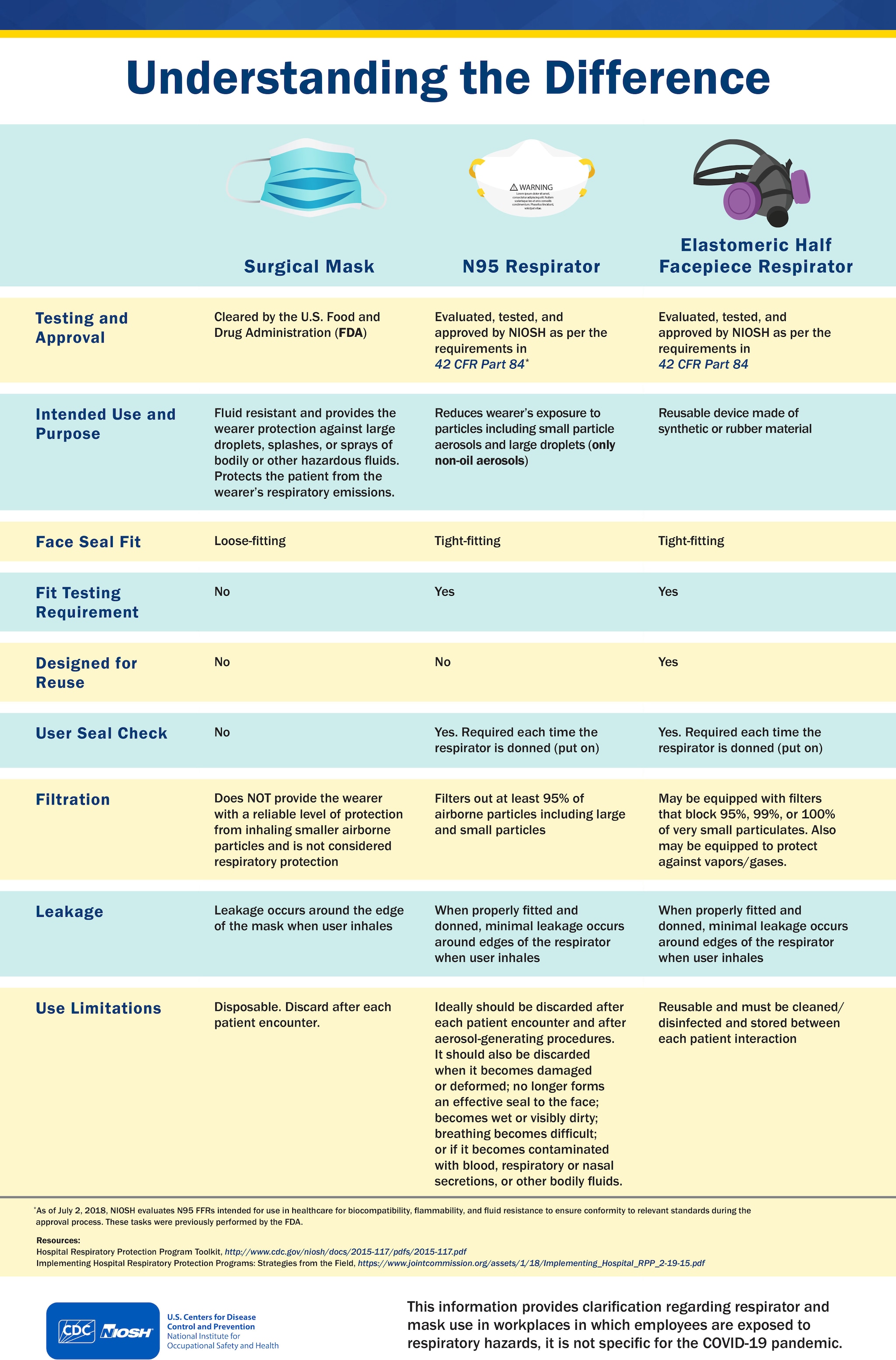
A well-understood technology, respiratory protection has been validated over decades, with standards (NIOSH in the U.S., CSA in Canada) that codify protection from viruses and bacteria. Mining, biomedical research, chemical processing, pharmaceutical production and many more industries follow these laws and standards worldwide. Without exaggeration, millions of people trust their lives to the effective “real-world” science of respirators, with no need for randomized trial evidence.

Leave a Reply